
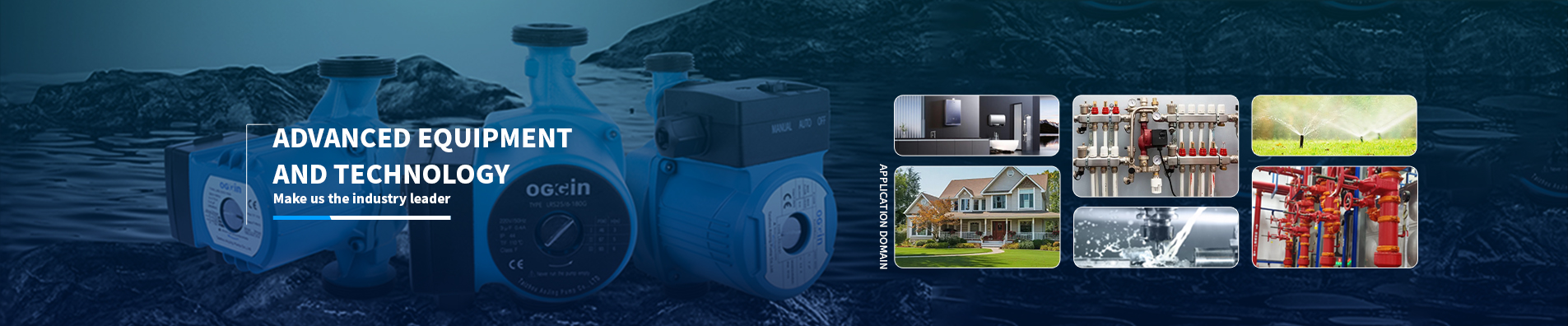
1. In which systems can vertical pipe pumps be used?
What systems can vertical pipeline pumps be used in?
① Heating systems: heating circulation, boiler mixing, temperature mixing, intermittent heating, exhaust heat recovery, mixed circuits;
② Air conditioning systems: Chilled water circulation;
③ Water supply systems: Filtration and conveyance, pipeline pressurization;
④ Industrial production: Flushing and cleaning systems, boiler feedwater, cooling water circulation, water treatment systems, equipment auxiliary systems;
⑤ Fire protection systems.
2. What are the requirements for the medium transported by vertical pipeline pumps?
① The transported medium must be clean, thin, non-corrosive, non-flammable, non-explosive, non-volatile, free of solid particles (particle size ≤0.2mm) and fibers. The medium must not react chemically with the pump materials;
② Medium temperature: 0°C to +90°C;
③ Medium pH requirement: Between 6.5 and 8.5.
3. Applications and Model Designations of Pipeline Pumps
Classification of Pipeline Centrifugal Pumps
Pipeline centrifugal pumps serve numerous applications. By structural configuration, they are primarily categorized into horizontal pipeline centrifugal pumps and vertical pipeline centrifugal pumps. By function, they mainly include pipeline booster pumps, hot water pipeline pumps, and stainless steel pipeline pumps.
The structural characteristics of pipeline centrifugal pumps are: simple and compact design, occupying minimal floor space, making them the preferred choice for pumps within buildings. These pumps operate smoothly and are extremely convenient for maintenance and repair, as components can be serviced or replaced without dismantling the inlet or outlet pipelines.
Model Designation Meaning for Pipeline Centrifugal Pumps
1. Vertical Type Model Designation Meaning
IRG-type pipeline centrifugal pumps feature inlet and outlet ports aligned on the same straight line. Example: IRG80-160. IRG denotes a clean water pipeline centrifugal pump. 80 indicates the inlet/outlet pipe diameter is 80mm. 160 indicates the impeller diameter is 160mm.
2. Horizontal Type Model Meaning
ISW pipeline centrifugal pump. This type features a horizontal inlet and vertical outlet. Example: ISW80-160. ISW denotes a horizontal pipeline centrifugal pump, 80 indicates inlet/outlet pipe diameter of 80mm, and 160 denotes impeller diameter of 160mm.
Additional variants include ISWR hot water pipeline pumps, ISWH stainless steel pipeline pumps, and horizontal pipeline oil pumps, with numerical meanings identical to the ISW type.
4. Common Issues with Pipeline Pumps in Actual Operation
In practical operation, pipeline pumps may encounter various issues. One of the most common problems is pump body leakage. This can be caused by factors such as seal aging, improper installation, or loose pipe connections. Upon detecting pump body leakage, immediately shut down the pump for inspection, replace damaged seals, and ensure all pipe connections are securely fastened. Another frequent issue is diminished pump performance. This may stem from impeller wear, bearing damage, or motor malfunctions. Upon detecting performance decline, inspect the impeller and bearings for significant wear and replace them promptly if necessary. Simultaneously, examine the motor's operational status to ensure it functions correctly.
Beyond these common issues, pipeline pumps may also encounter excessive noise or abnormal vibration. These problems can stem from pump installation imbalance, unstable pipeline support, or contaminants in the pumped medium. Resolving these issues requires addressing installation, support, and medium treatment to ensure stable pump operation.
Proper maintenance is crucial for ensuring stable pipeline pump operation. First, conduct regular inspections and maintenance to promptly identify and resolve issues. Second, attention must be paid to pump lubrication and cleanliness, maintaining an internal environment free of contaminants while ensuring adequate and clean lubricating oil. Additionally, based on usage patterns, regularly replace wear-prone components such as seals and bearings to extend the pump's service life.
During actual operation, strictly adhere to the usage specifications provided by Aojing Pump Industry for pipeline pumps. Avoid improper practices like overloading or frequent start-stop cycles to minimize damage. Furthermore, pipeline pumps left idle for extended periods require appropriate maintenance to prevent deterioration from prolonged disuse.
Pipeline pumps may encounter various operational challenges, and proper maintenance is crucial for ensuring stable performance. By implementing measures such as regular inspections, timely replacement of wear parts, adherence to operating guidelines, and diligent maintenance of idle pumps, we can effectively extend the service life of pipeline pumps and enhance production efficiency.