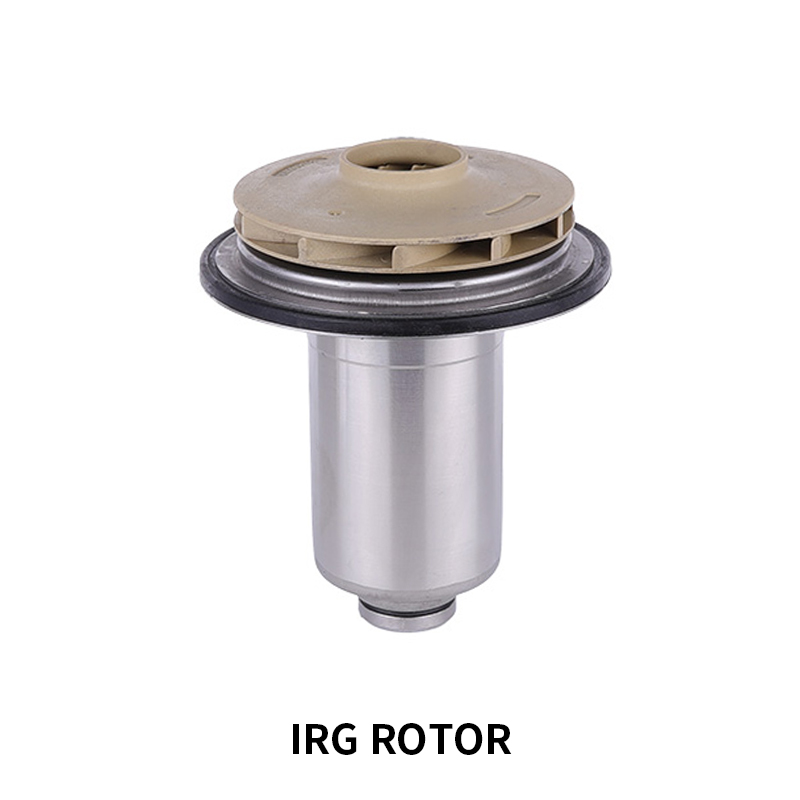
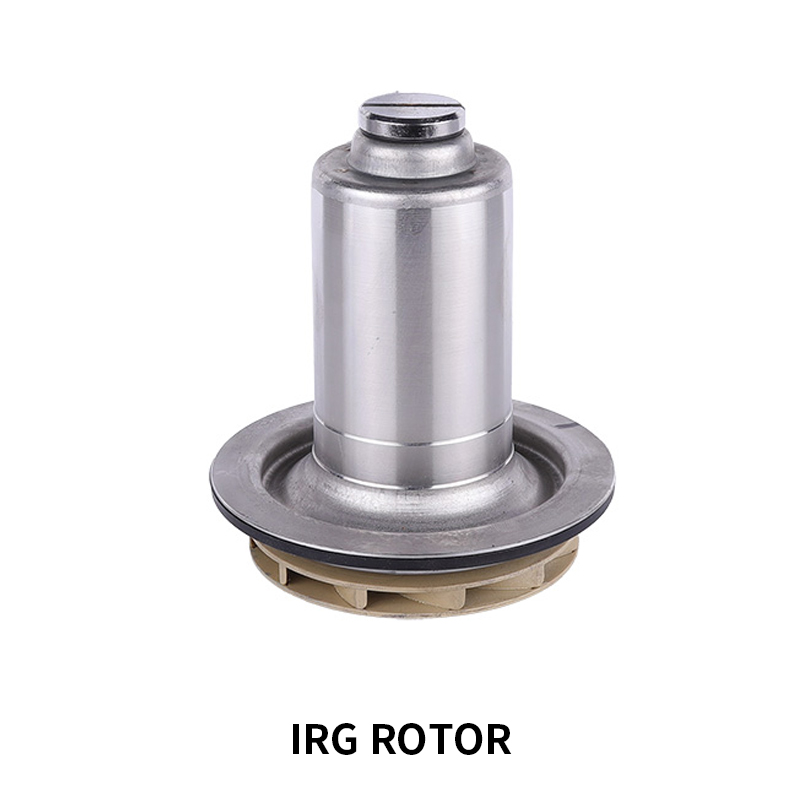
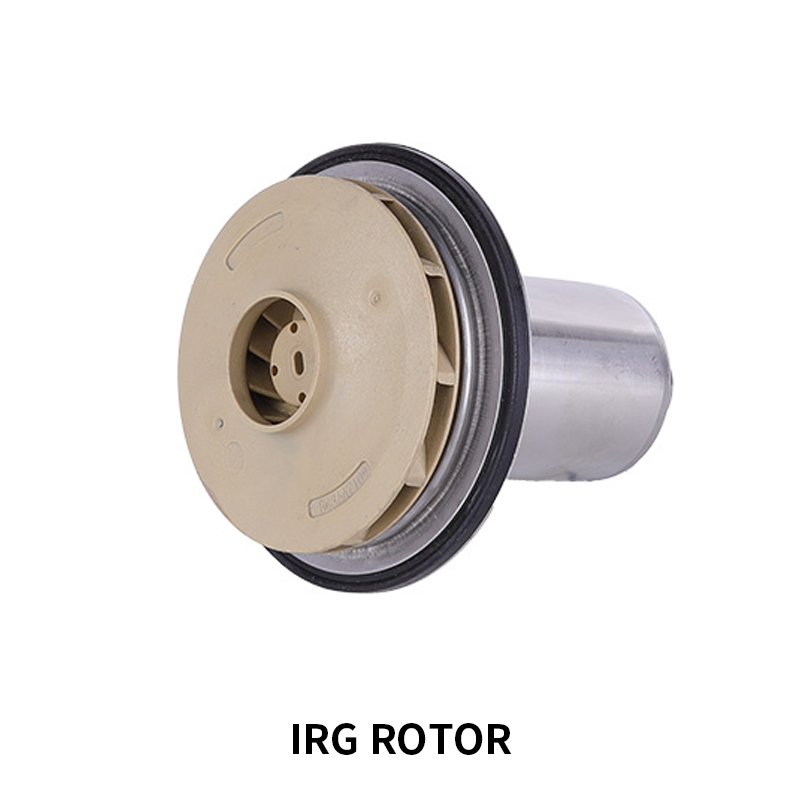
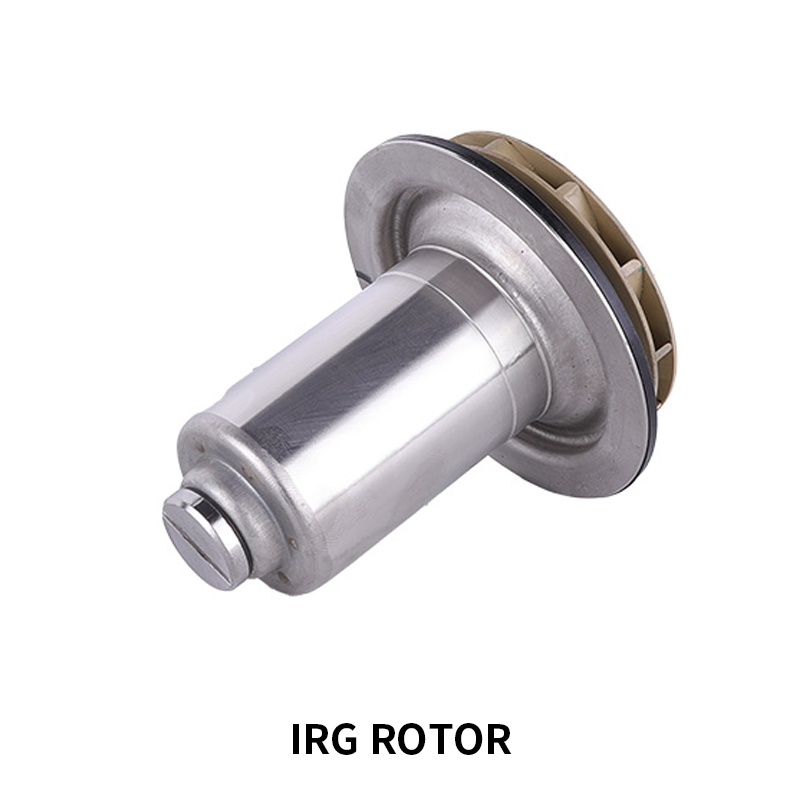
OGGIN Boiler Rotor
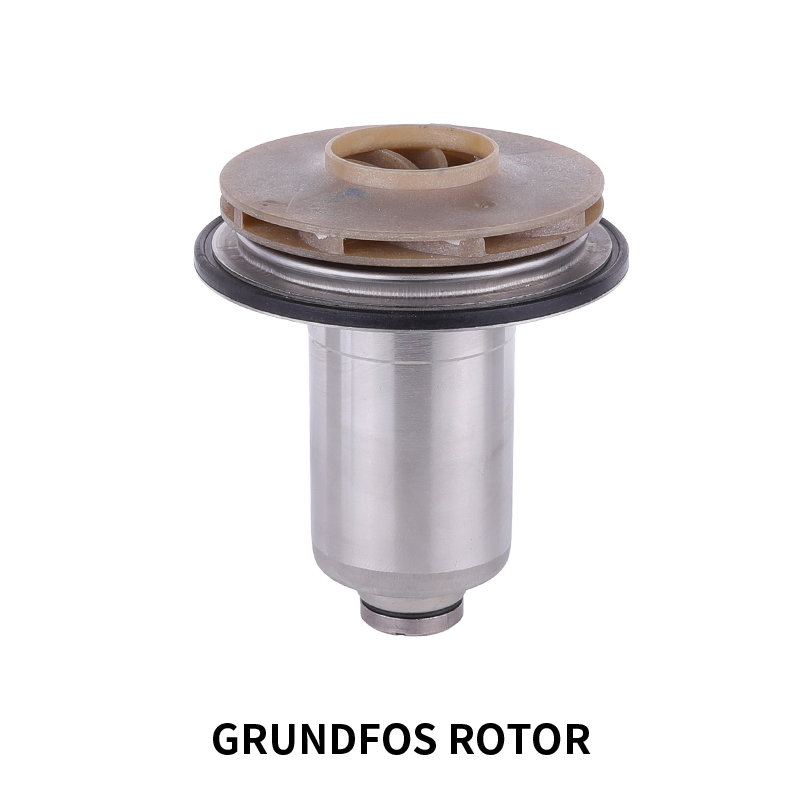
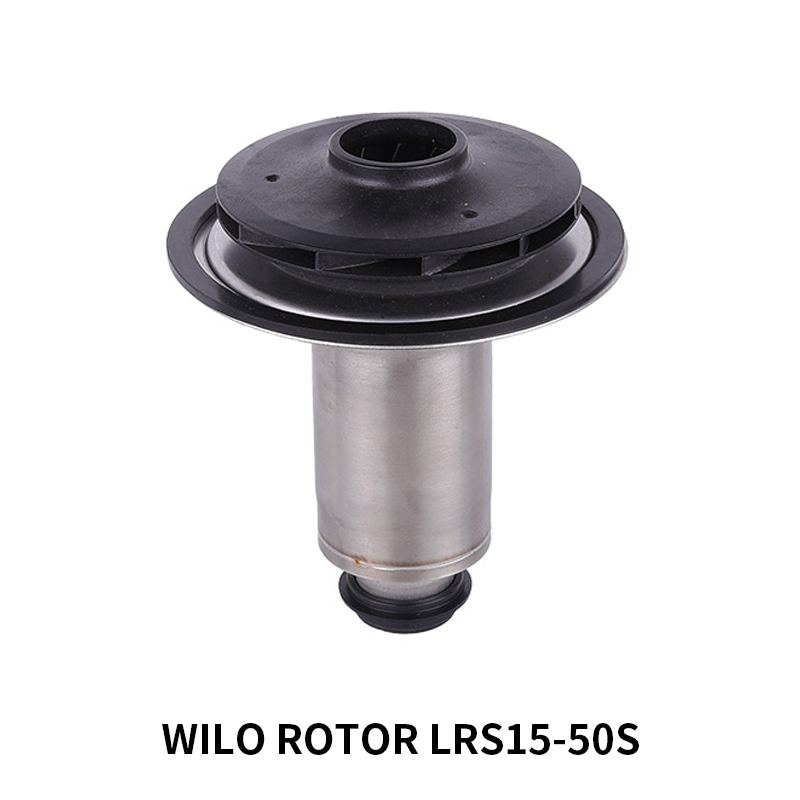
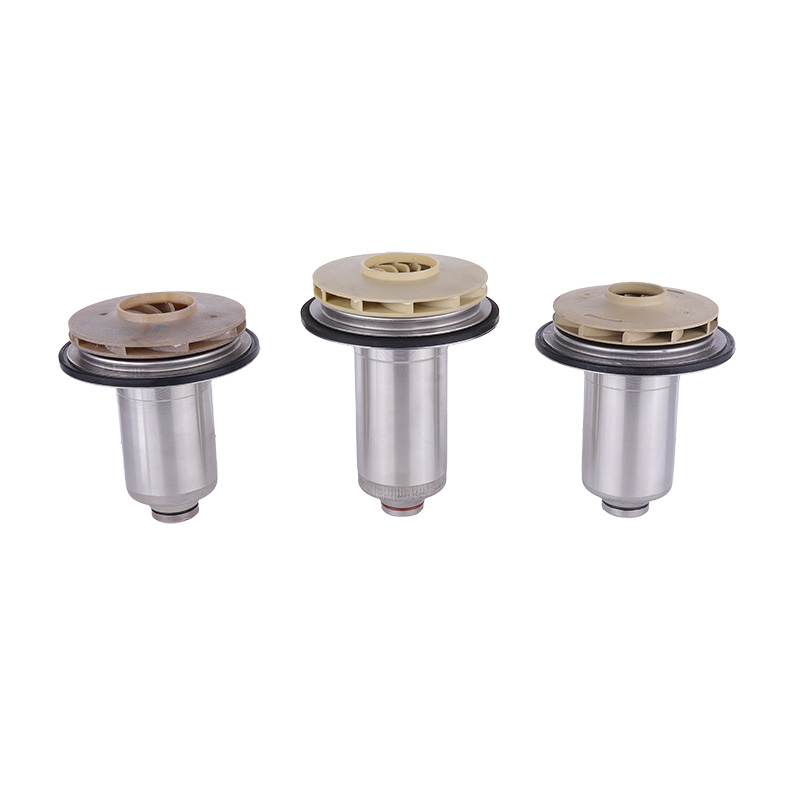
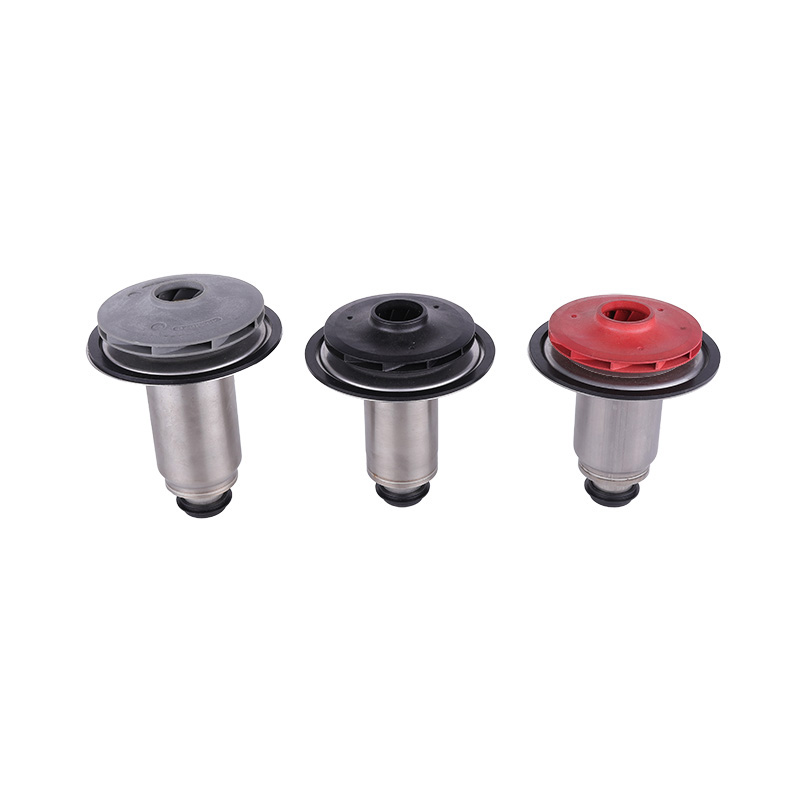
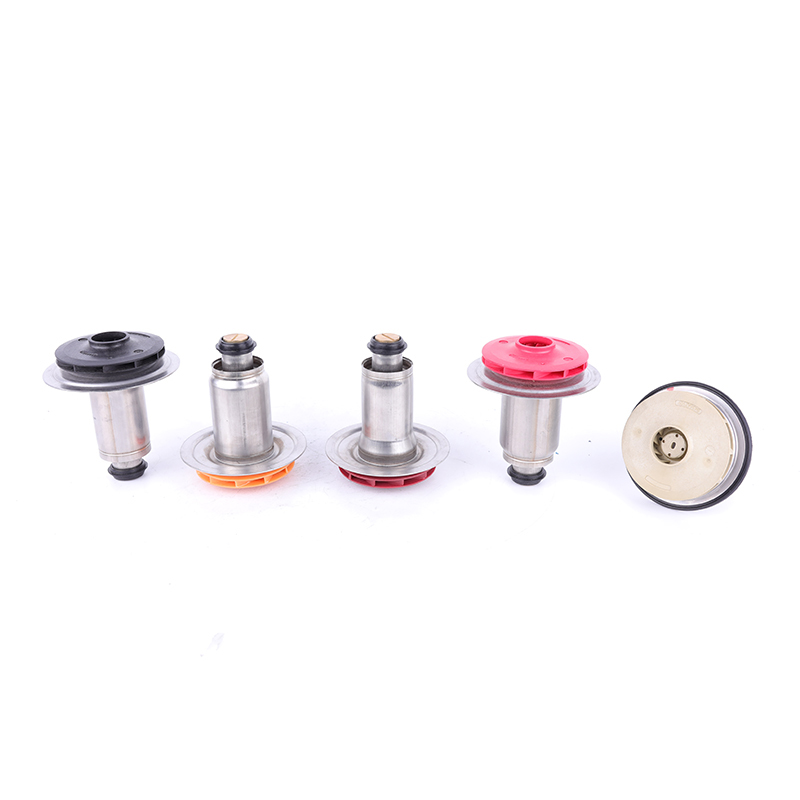
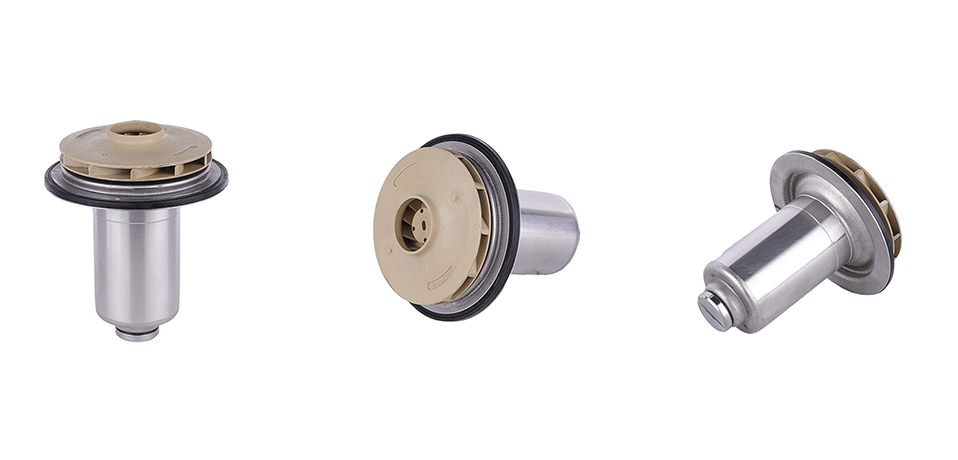
The rotor of a wall-mounted boiler circulation pump, though compact in size, is a high-tech core component integrating precision manufacturing and fluid mechanics. Its efficiency, quiet operation, and reliability directly impact the comfort of boiler heating, energy consumption performance, and overall lifespan. When a wall-mounted boiler exhibits issues such as “pump not running,” “poor circulation,” or abnormal noise, the rotor condition is often the primary point to investigate. Typically, professional maintenance technicians replace the entire circulation pump assembly (including the rotor) to ensure optimal compatibility and sealing performance.

Advantages of Boiler Rotor
The boiler rotor maintains continuous rotation - promoting alternating contact between high-temperature flue gas and cold air during circulation, significantly enhancing heat exchange efficiency and ultimately optimizing the boiler's overall thermal performance.
High-precision design - featuring a more compact structure and significantly reduced weight, it facilitates transportation and installation while improving quality control throughout the entire manufacturing and installation process.
High adaptability - Compatible with multiple fuels and combustion modes, precisely matching the specialized requirements of diverse industrial applications such as cogeneration and petrochemical production.
High sealing performance - Leveraging precision sealing structures and adaptive gap control, it substantially reduces gas leakage, enhances heat exchange efficiency, and achieves more economical operating costs.
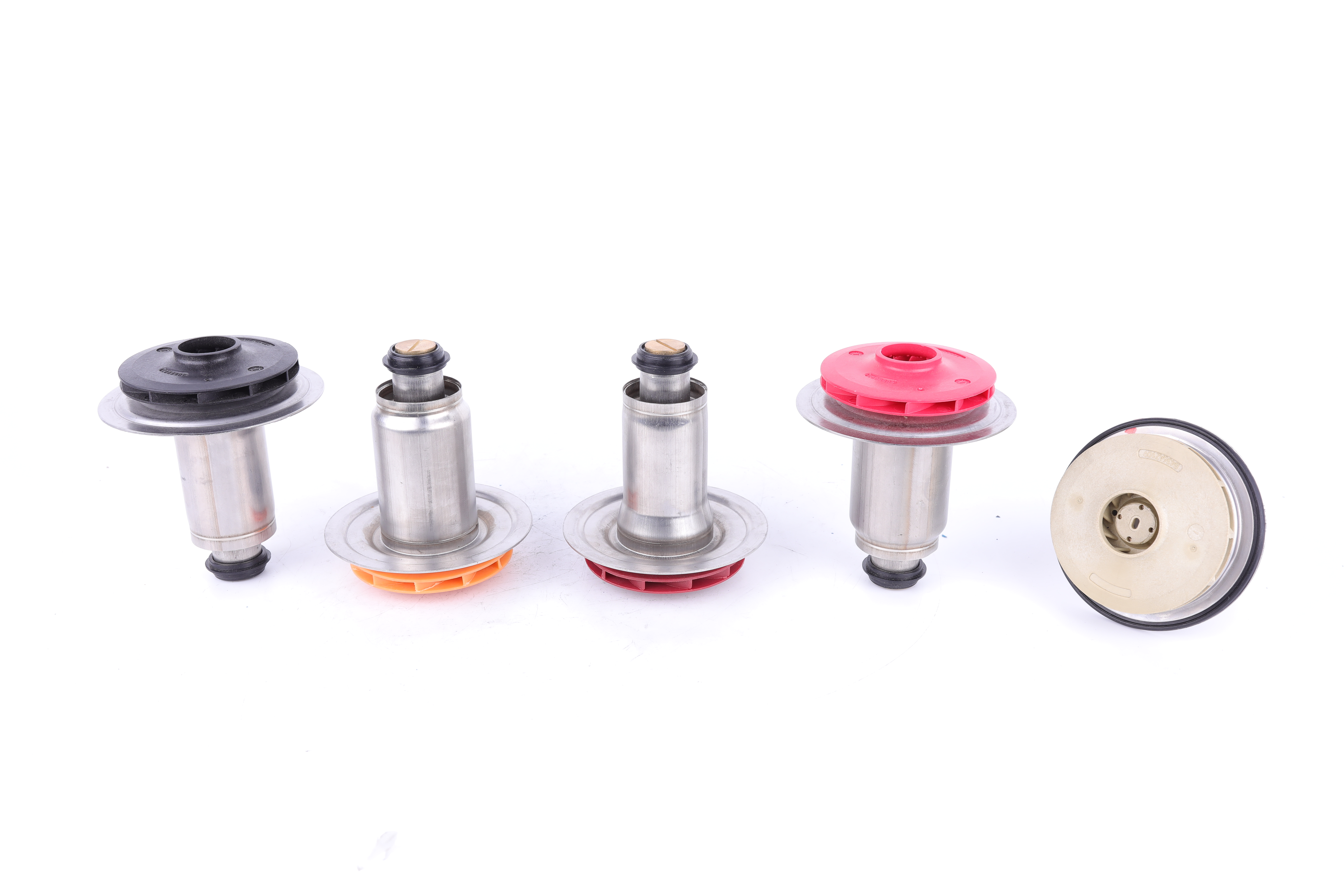
Product Selection
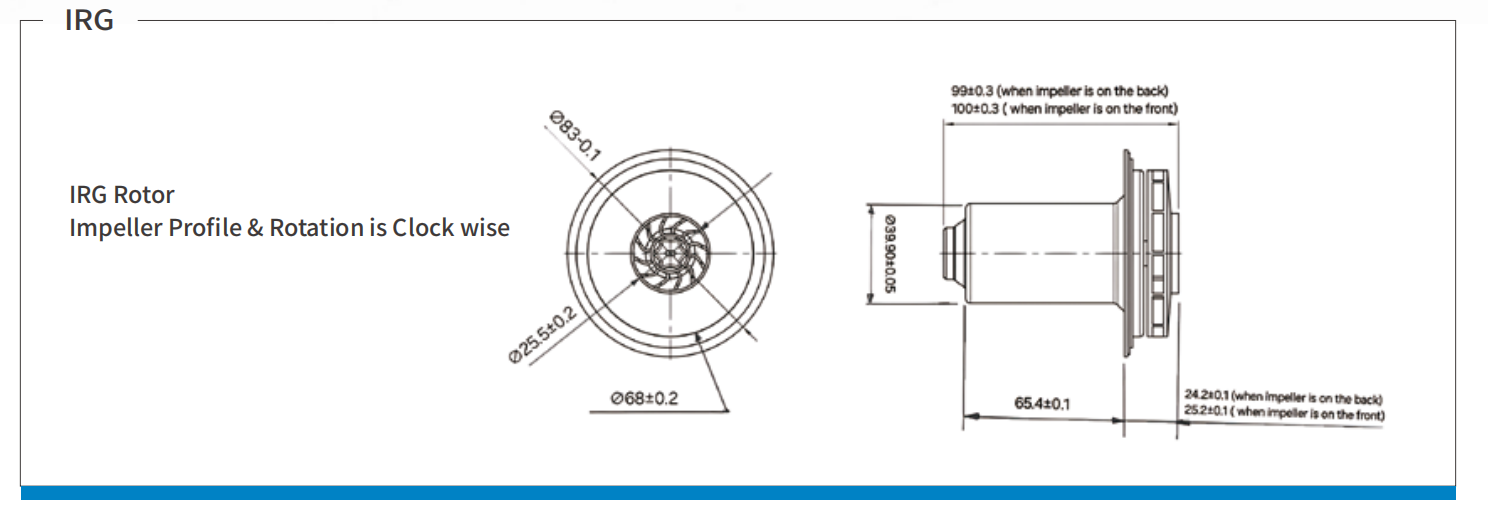
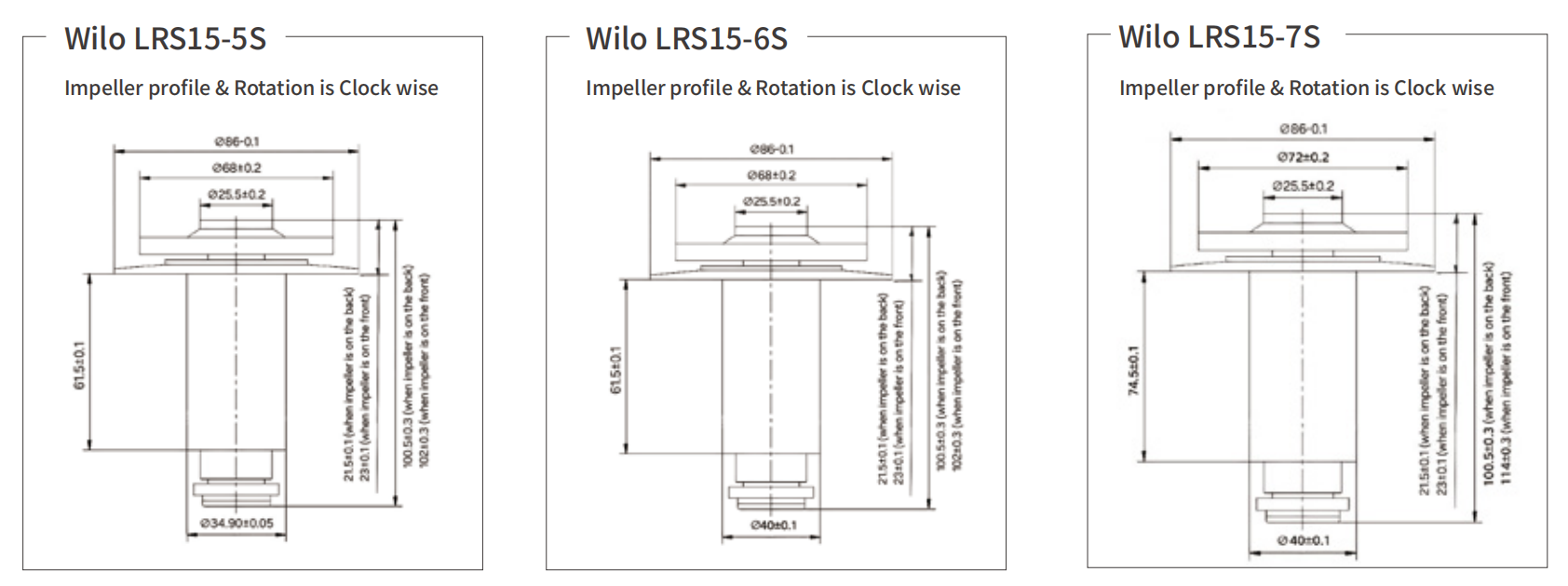
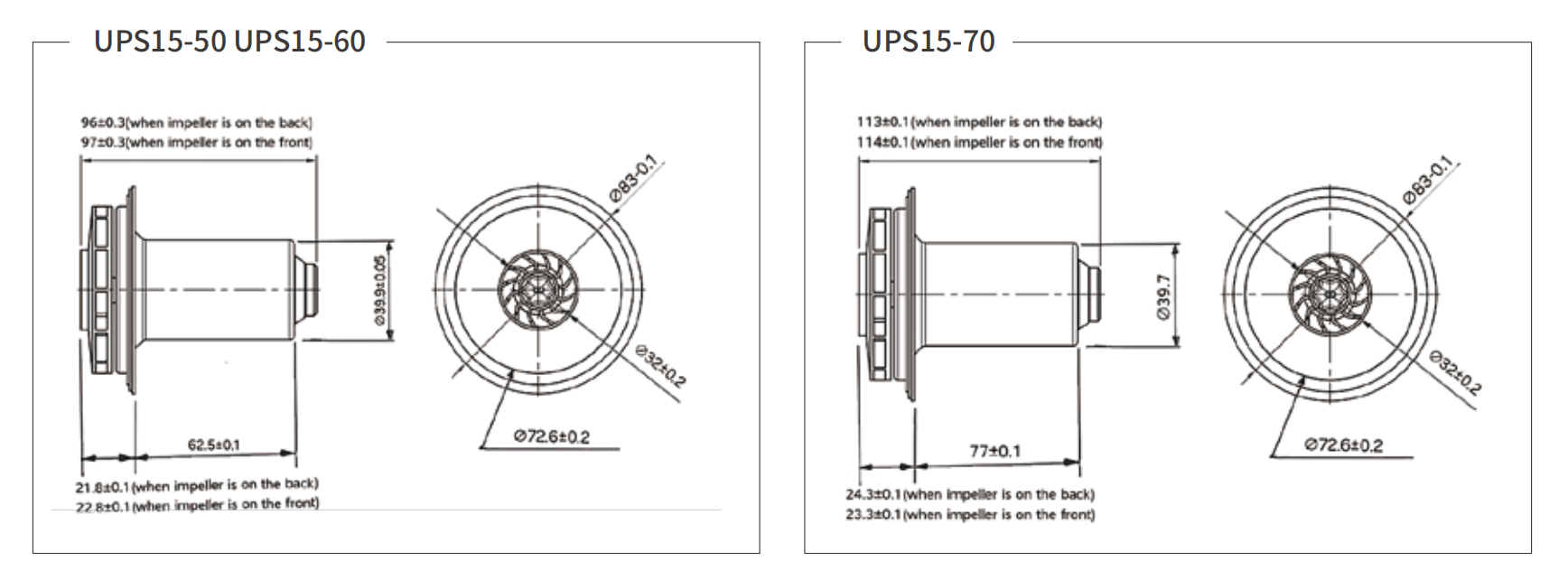
Application Fields
1. Thermal Power Plant
Within the rotary air preheater of a thermal power plant, the heat storage rotor serves as the core operational component, densely packed with corrugated plates and other metallic heat storage elements. As the rotor slowly rotates, these elements alternate between high-temperature flue gas passages and cold air passages: absorbing residual heat on the flue gas side and releasing heat on the air side, thereby achieving efficient preheating of cold air. This continuous cycle of heat storage and release not only efficiently recovers residual flue gas heat, significantly increasing boiler inlet air temperature and thermal efficiency, but also reduces exhaust gas temperature, ultimately contributing to a steady improvement in the power plant's overall generation efficiency.
2. Petrochemical Industry
Within petrochemical production processes, turbine rotors also fulfill critical roles. In furnace air preheating systems, for instance, rotors effectively preheat air entering the furnace chamber, thereby enhancing combustion efficiency and reducing fuel consumption. Furthermore, their exceptional high-temperature tolerance and corrosion resistance enable seamless adaptation to the demanding conditions common in chemical production, ensuring stable performance.
3. Industrial Heating Systems
In industrial production, rotor-equipped boilers are frequently employed for inlet air preheating to ensure stable, high-efficiency hot air supply for processes like drying and molding. Continuous production lines in industries such as textiles and papermaking rely on their sustained output of high-temperature air to maintain smooth operational flow while achieving efficient energy utilization.
4. Specialized Industrial Applications
Boiler rotors extend beyond traditional domains, offering customizable designs tailored to specific industrial requirements across diverse professional settings. Examples include air preheating systems for metallurgical furnaces and kilns, as well as hygienically compliant hot air delivery in food processing. By precisely regulating critical parameters like temperature, pressure, and cleanliness, these systems accurately meet the differentiated hot air demands of various industries.



Latest Booster Pumps and Paramrters
Innovative Technology-leadding Domestic Water Pump Manufacturer