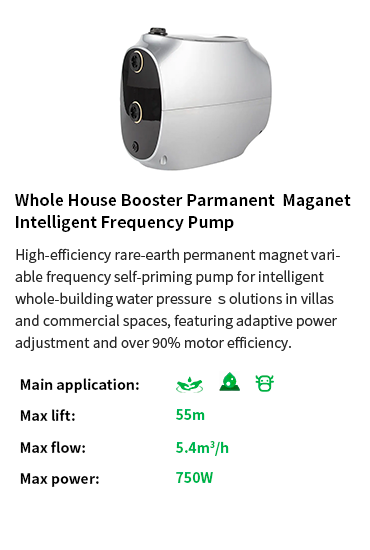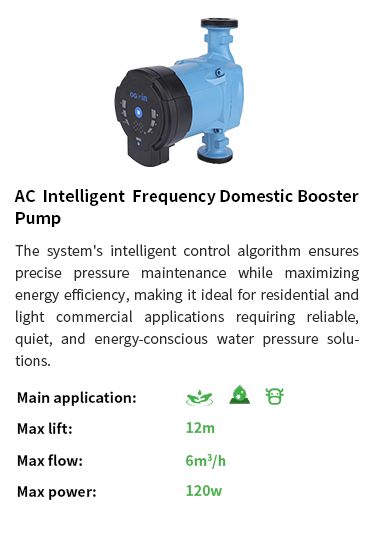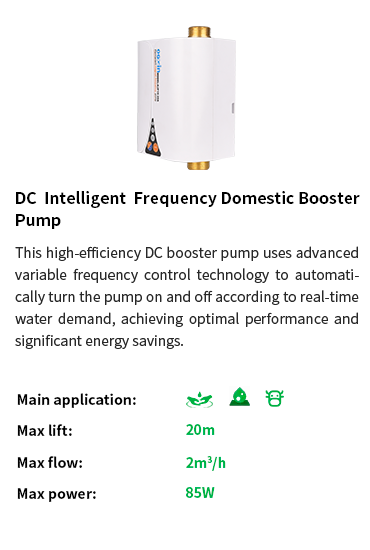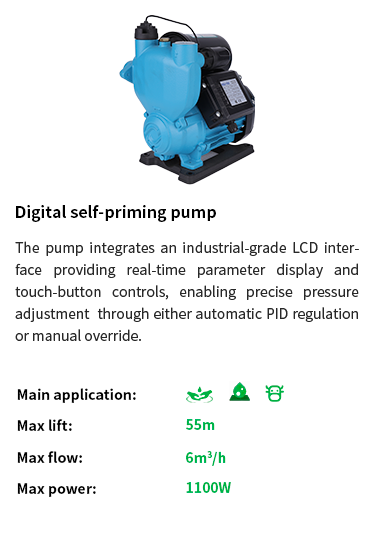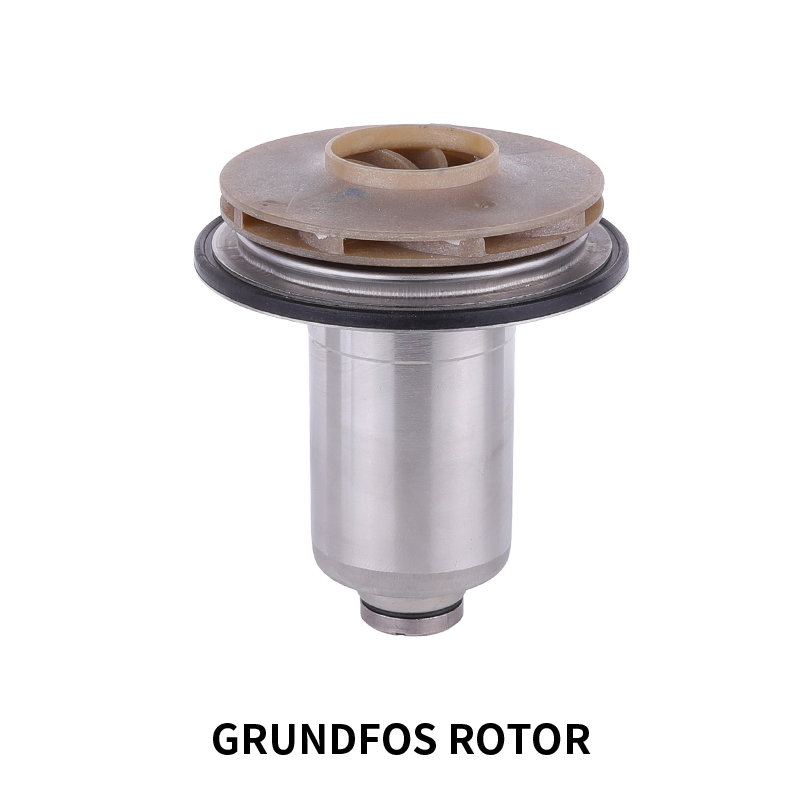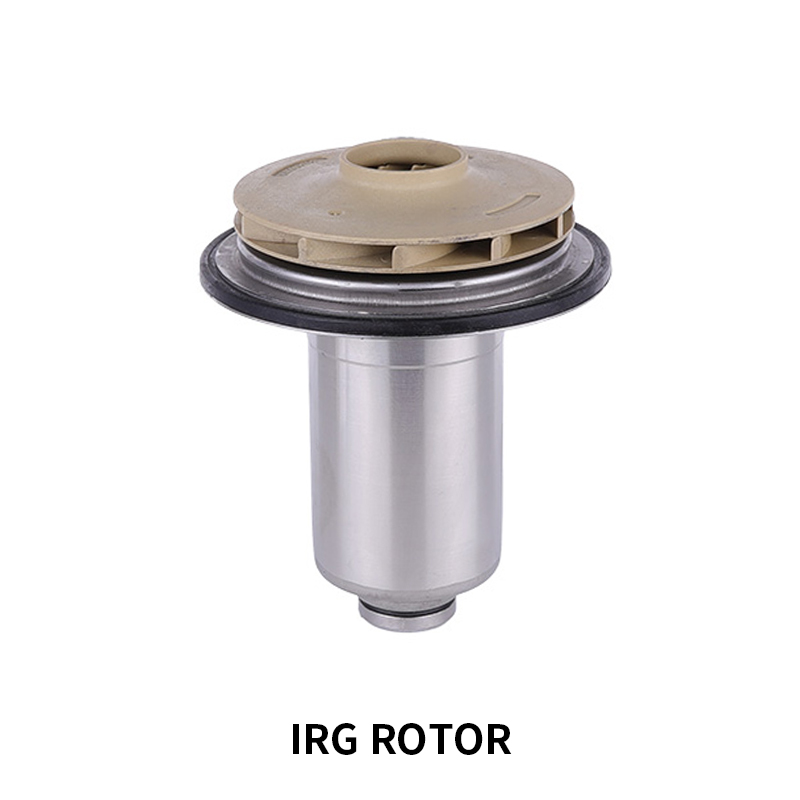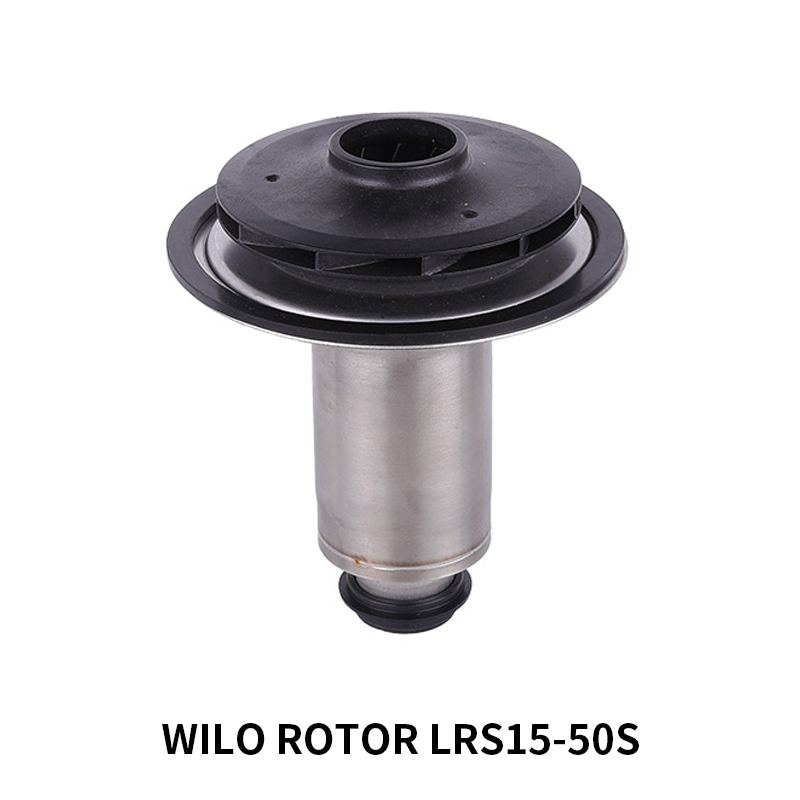
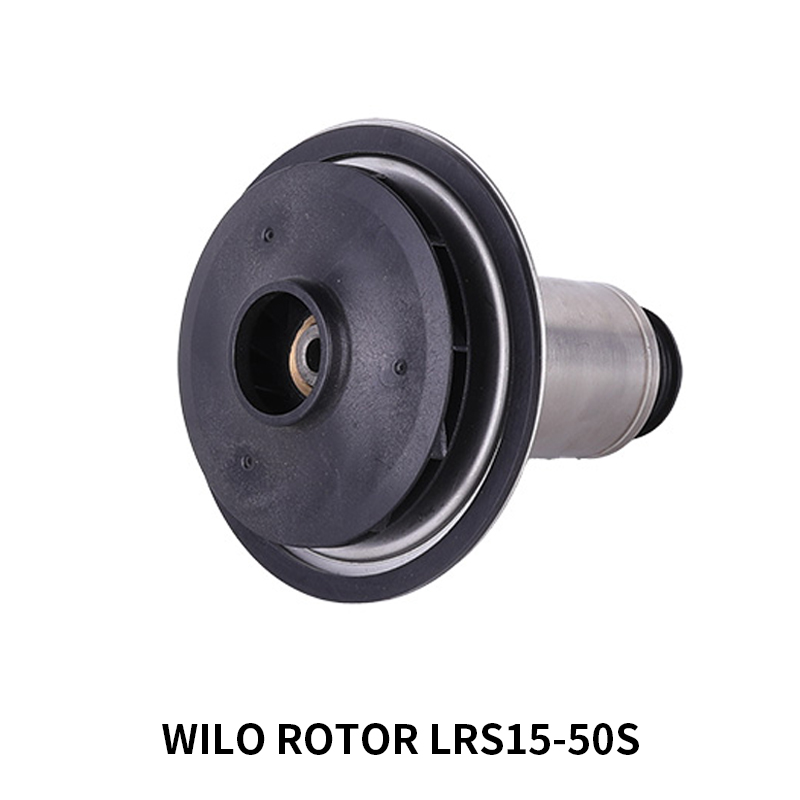
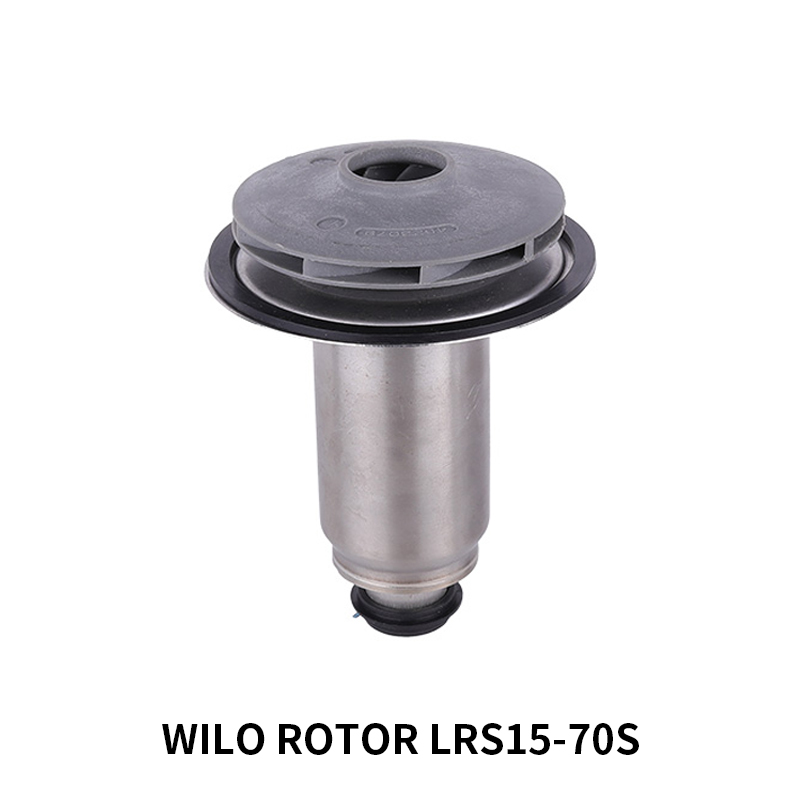
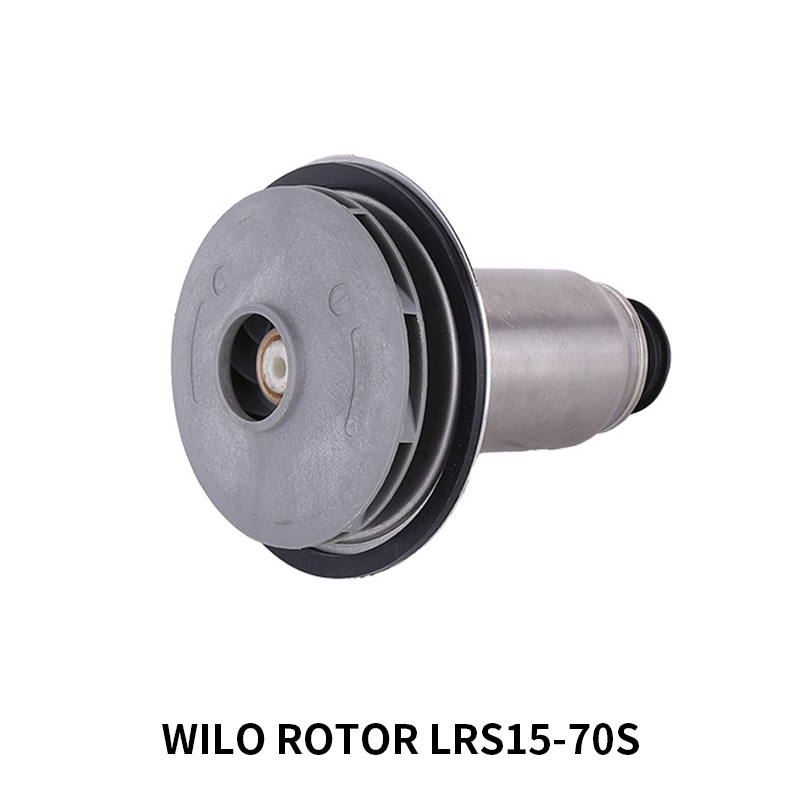
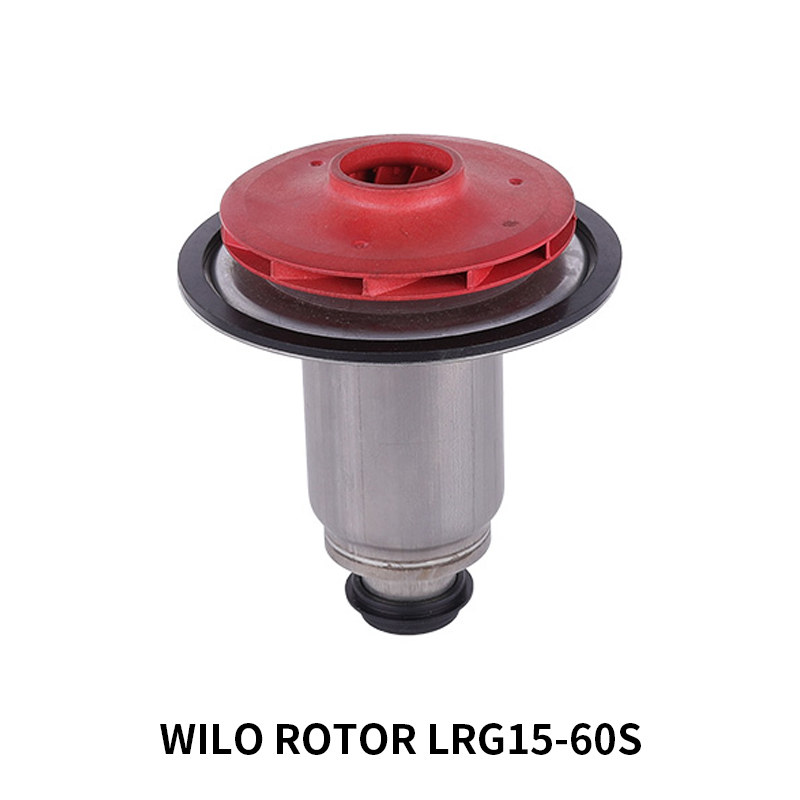
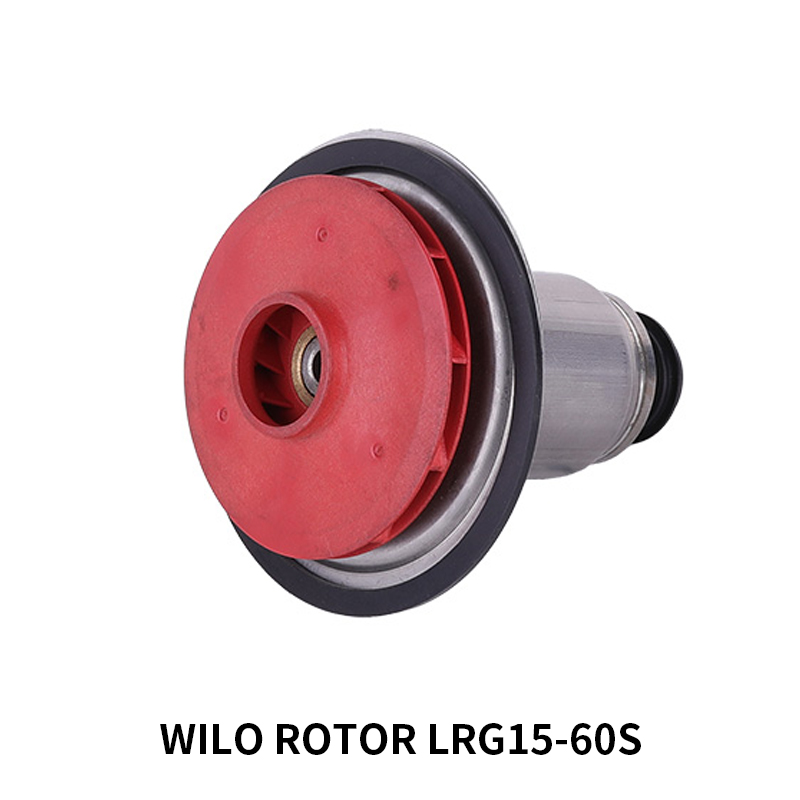
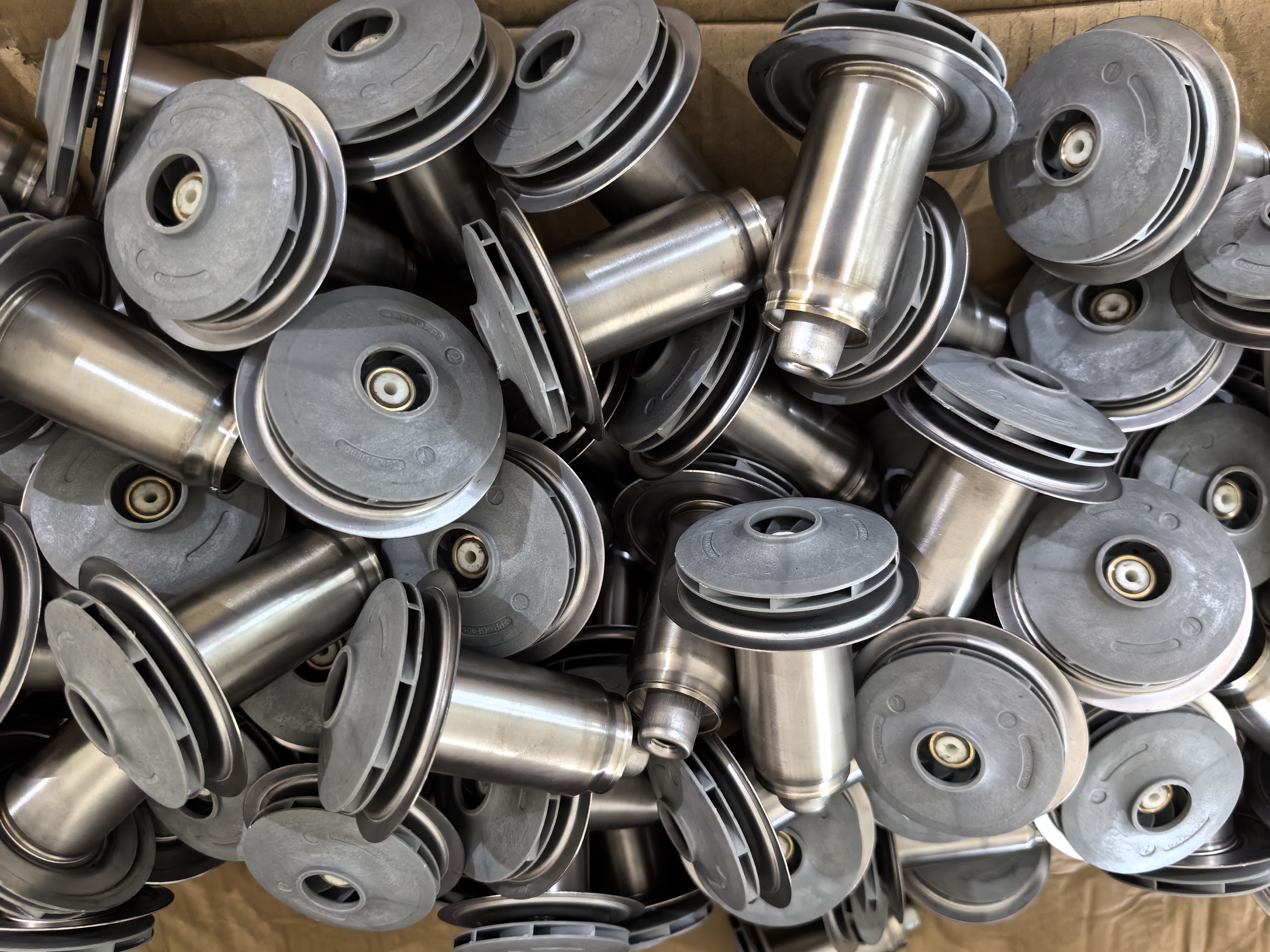
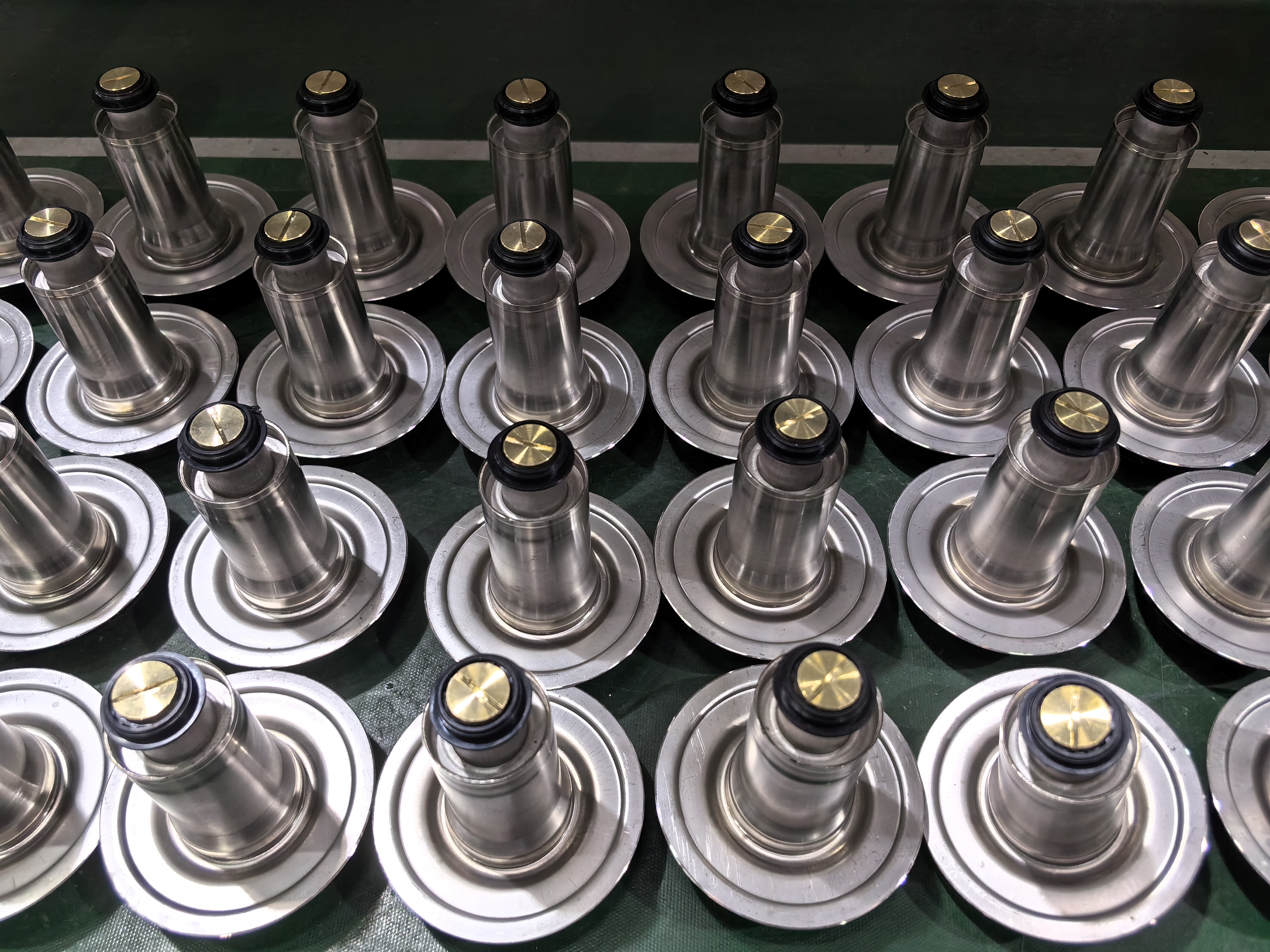
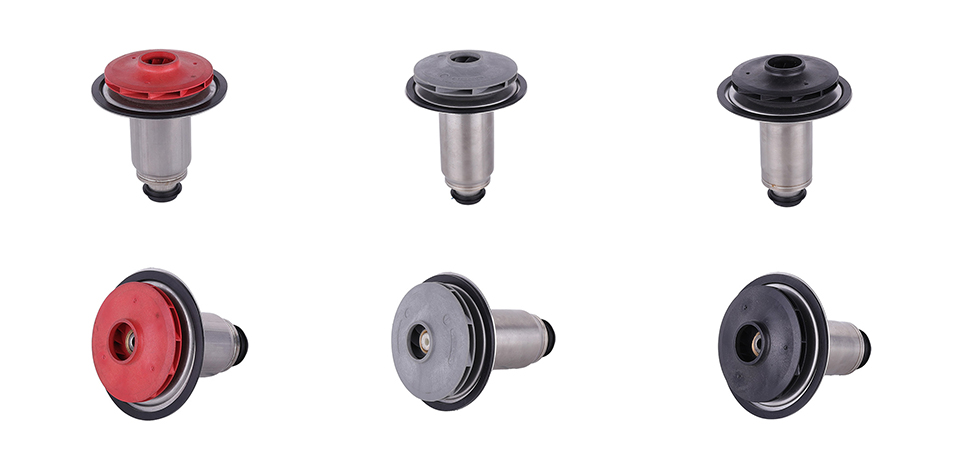
OGGIN Boiler Rotor
Wall-mounted boiler pumps are categorized into wet rotor and dry rotor types. Wet rotor pumps operate quietly and require minimal maintenance, making them the mainstream choice for residential use. Dry rotor pumps offer higher power output and are commonly employed in commercial settings. The key lies in preventing scale buildup and clogging; it is essential to maintain clean water quality and avoid prolonged periods of inactivity.

Advantages of Boiler Rotor
Heat Transfer Principle - Utilizing the rotational motion of the internal rotor within the boiler, high-temperature flue gas and cold air achieve periodic alternating contact. This effectively intensifies the heat transfer process, ultimately enhancing the overall thermal efficiency of the boiler system.
High-Efficiency Characteristics - Through the continuous rotation of the internal rotor, high-temperature flue gas and low-temperature air alternately pass over the heat exchange surface in a cyclical manner. This significantly enhances convective heat transfer and heat exchange intensity, substantially improving heat recovery efficiency and optimizing the boiler system's overall energy performance.
Silent Operation Mode - Completely eliminates motor fan noise and shaft seal friction sounds typical of conventional pumps. Additionally, bearings are typically constructed from low-friction materials like graphite or ceramics, operating exceptionally smoothly under water lubrication. This results in exceptionally quiet operation for wall-mounted heaters, making them particularly suitable for installation in areas close to living spaces such as kitchens or balconies, thereby enhancing the tranquility and comfort of the home environment.
Air Tightness - The rotary pump features a fully enclosed welded structure, achieving absolute static sealing. This fundamentally eliminates the possibility of leakage and external air intrusion, marking a revolutionary safety improvement at the foundational level.
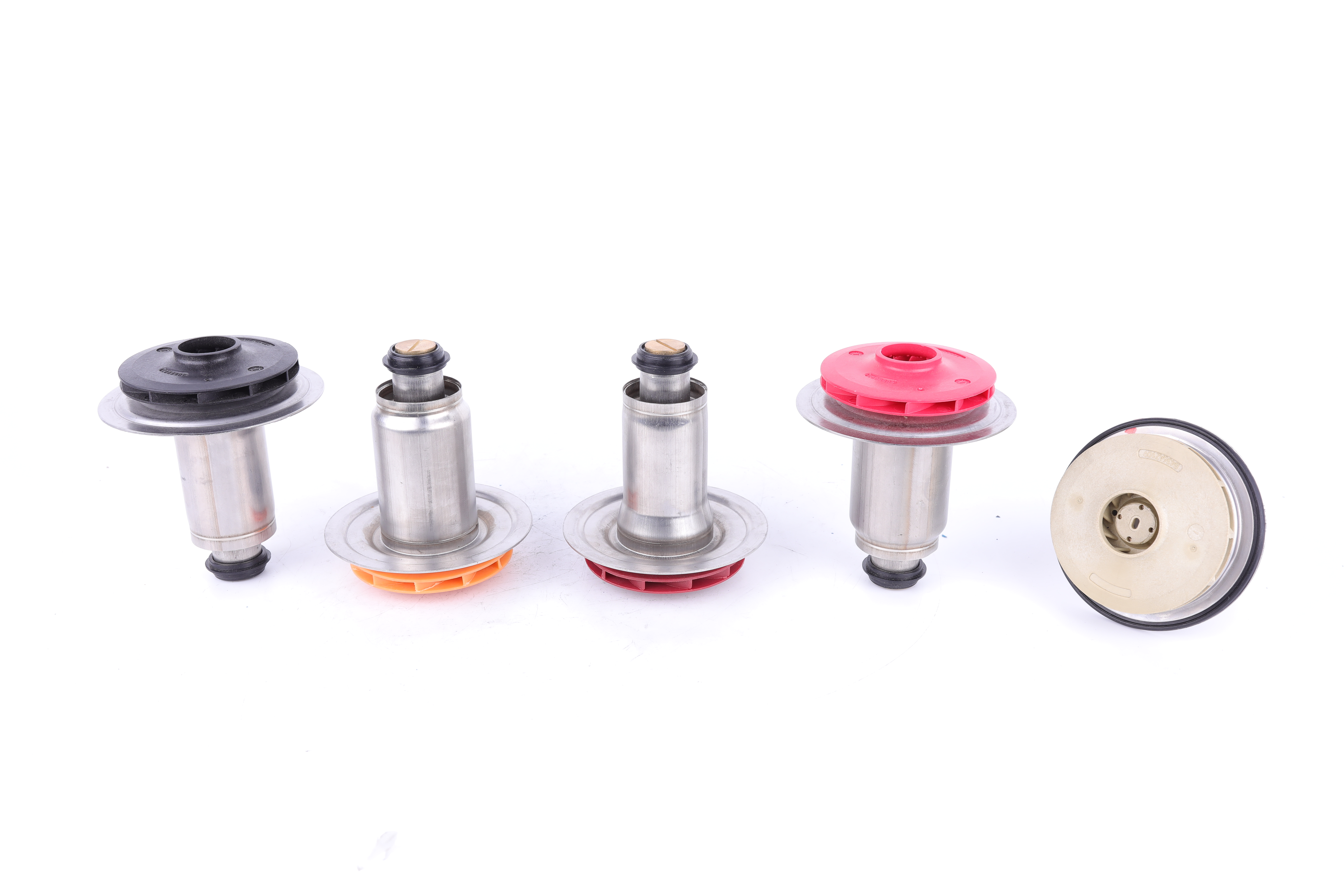
Product Selection
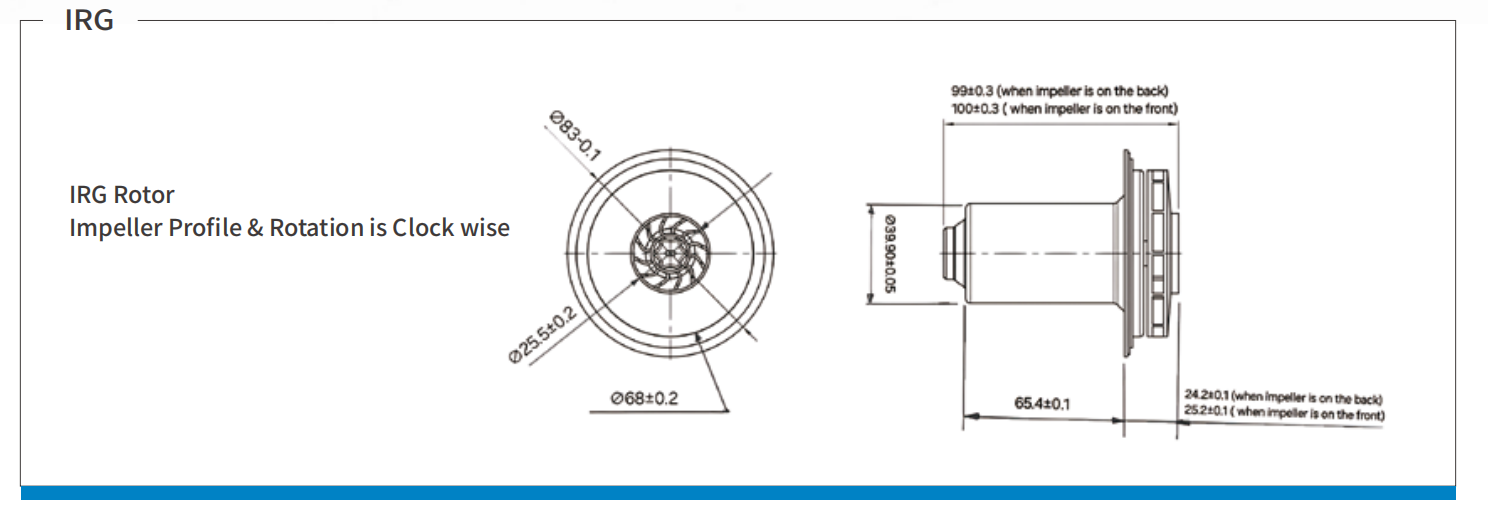
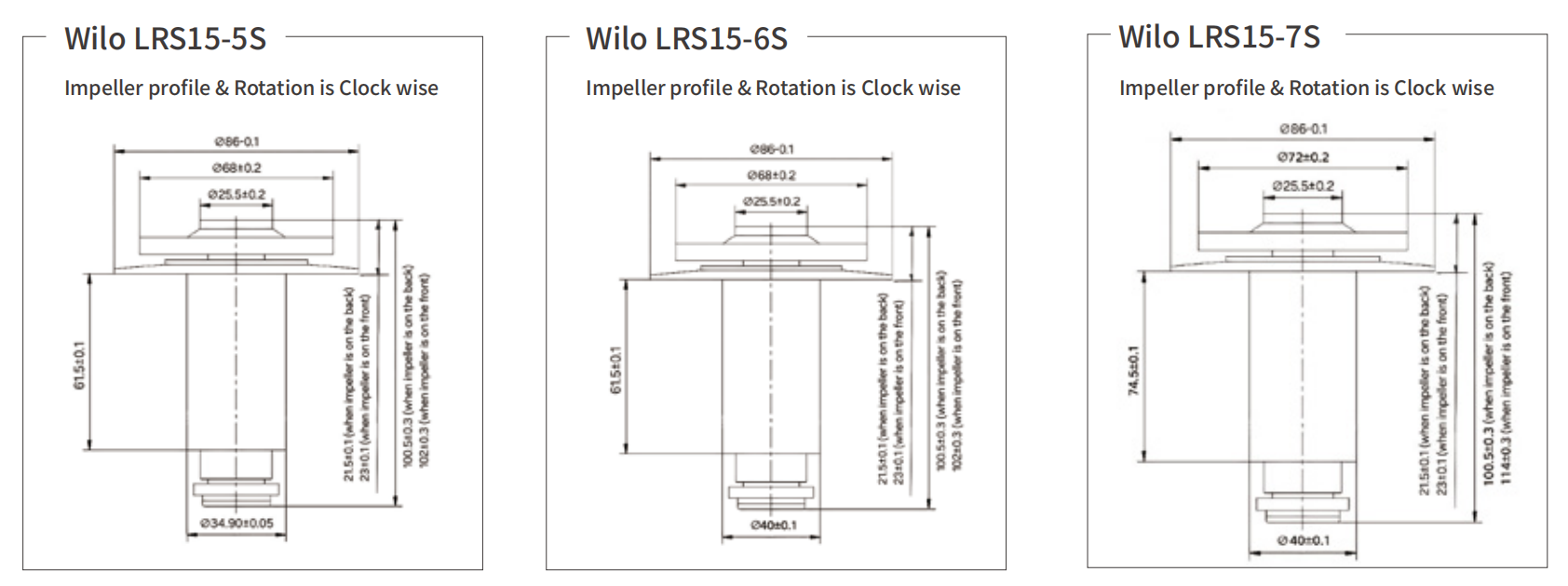
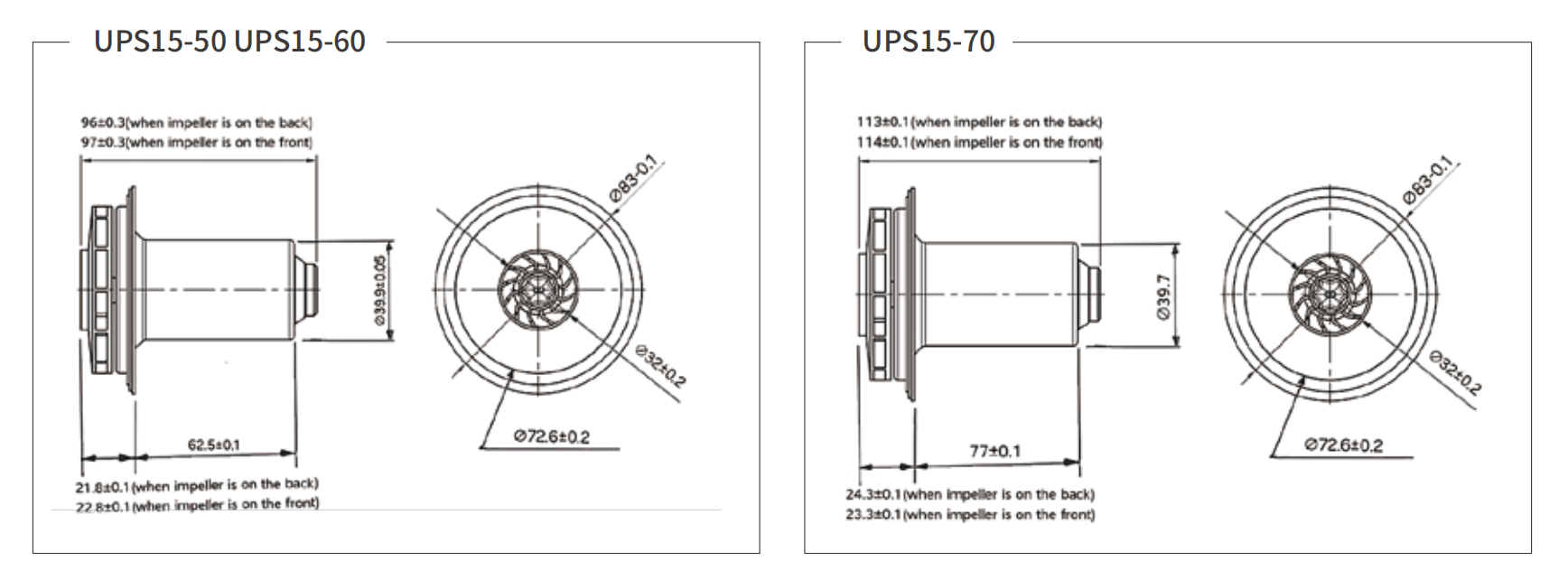
Application Fields
1. Hot Water Control
When the user turns on the hot water tap, the rotor rapidly adjusts the gas valve opening under control system commands, precisely increasing or decreasing gas supply to ensure the heat exchanger delivers constant-temperature hot water. This effectively prevents sudden drops or spikes in water temperature during showers, guaranteeing a comfortable user experience.
2. Heating Regulation
During winter heating periods, the rotor adjusts gas supply based on the temperature difference between room temperature and the setpoint. This enables wall-mounted radiators to operate at optimized power levels (e.g., low flame, high flame), maintaining stable indoor temperatures while preventing frequent equipment cycling. This achieves dual benefits of energy efficiency and comfort.
3. Adaptation to Variable Gas Pressure
Addressing daily fluctuations in pipeline gas pressure, the rotor dynamically compensates to ensure precise output matching combustion demands under varying inlet pressures. This safeguards combustion efficiency and stability, eliminating issues like flame-out and incomplete combustion.
4. Quiet Operation
As the core moving component of the proportional valve, the rotor enables precise step-by-step control and smooth mechanical action. This eliminates the air hammering and noise generated by the “fully open/fully closed” operation of traditional solenoid valves, significantly enhancing the operational quietness and system durability of wall-mounted heaters.



Latest Booster Pumps and Paramrters
Innovative Technology-leadding Domestic Water Pump Manufacturer